Baccarat looks simple on the felt, but the choice between player and banker shapes every session. At a Sydney club or a quiet arvo online, punters often lean toward the banker side for a reason that has more to do with the maths than luck. This walkthrough follows how a player actually encounters that decision, from the table layout to the moment a bet is placed, and why the banker option keeps drawing the eye.
The Banker Hand and the House Edge
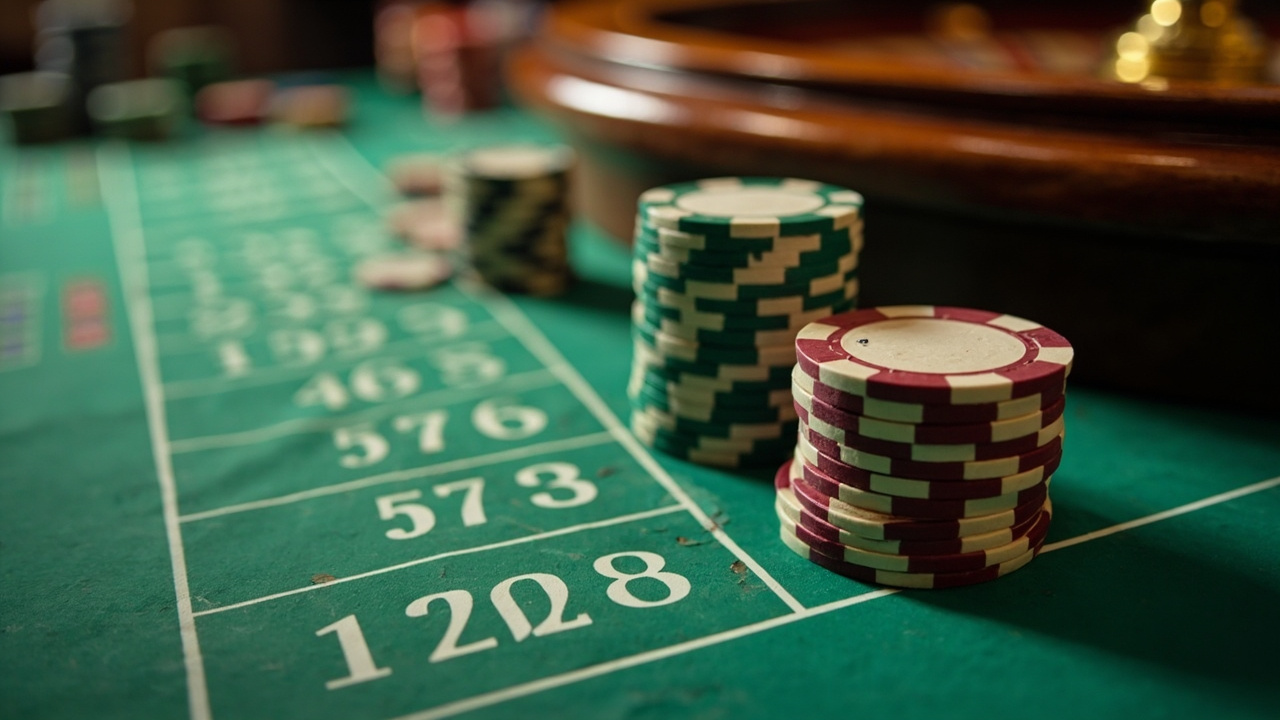
When a shoe starts dealing, the first thing most players notice is the commission structure. The banker bet usually carries a small five percent cut on winning payouts, which is the price of a slightly lower house edge compared with the player side. That edge is narrow, but over a long session it nudges the expected return in a direction that careful punters find hard to ignore.
Picture a regular at a Glebe club watching the scorecard fill up. He does not chase streaks or read patterns into the cards; he simply notes that the banker wager has a tighter statistical footing and keeps his chips there while the shoe turns. It is a quiet discipline rather than a flashy call, and it fits the way many Australians approach a game that already moves fast.
The same thinking shows up when people compare baccarat with pokies. Some players who normally spin reels at places like access net pokies login will cross over to a card table and look for the option with the smallest built-in disadvantage. The choice is not about certainty, because no hand is guaranteed, but about picking the side that historically costs less over time.
How the Bet Plays Out at the Table
Reading the Layout and the Commission
The physical or digital table makes the banker option obvious. A dedicated betting square, often marked with a small commission reminder, sits alongside the player and tie areas, and the dealer or interface highlights the payout rules before the first card drops. In a Sydney venue, the signage usually spells out that winning banker bets settle at even money minus the five percent cut, so there is no mystery once the shoe is open.
A newcomer might watch a round or two and notice how the dealer handles the commission. The croupier keeps a running tally, collects the cut on winning banker wagers, and pays the remainder in chips that are easy to stack and count. That straightforward handling matters because it keeps the game moving without awkward calculations at the table.
Placing the Wager and Watching the Draw
Once the bets are down, the player chooses a stake and puts it on the banker square, then sits back while the rules of the third-card draw take over. The draw rules are fixed, which means the player is not making a tactical call on whether to hit or stand; the cards decide themselves according to a set sequence.
A punter at a Manly club might compare that hands-off rhythm to other table games where decisions come every round. Here the action is mostly in the selection of the side and the size of the bet, not in playing the hand. That simplicity is part of why the banker wager appeals to people who want a clear, rules-driven game rather than a slow, decision-heavy one.
Why the Banker Side Draws Repeat Bets
The appeal comes down to a mix of numbers, pace, and the way the game feels after a few shoes. Players who return to the banker line often do so because the expected loss per round is a touch smaller, and because the fixed draw rules remove the stress of making a playing decision every time. It is a low-friction option that lets a session run without constant second-guessing.
That same logic appears in other parts of Australian gambling culture, where people weigh community returns and big-money events alongside their own play. NSW clubs must return a share of pokie profits to the community, and yearling sales like the Magic Millions move huge sums, so there is a familiar backdrop of markets and margins that makes the tiny edge on the banker bet feel less abstract. For a player who already thinks in terms of long-run costs, that context helps explain why the banker side keeps getting another chip.
The choice also suits players who prefer a steady rhythm. A session built around the banker wager can feel less volatile than chasing tie payouts or switching sides after every streak, and that steadiness is useful for anyone who wants a game that runs on its own rules rather than on hunches. access net pokies login
Matching the Banker Bet to Player Needs
For a player deciding how to spend an evening, the banker bet fits a particular style: someone who wants a clear house edge, a fixed payout structure, and a game that does not demand constant decisions. It is not a path to guaranteed returns, and the commission means wins are trimmed, but the side does offer a predictable framework that many punters find easier to manage than alternatives.
That fit matters most when the table or interface makes the rules obvious and the commission easy to track. A well laid-out game shows the payout, the cut, and the draw rules without clutter, so the player can place a wager and understand exactly what settles at the end of the round. When those details are clear, the banker option becomes a practical choice rather than a guess.
Baccarat terms used here:
- Banker bet: a wager on the dealer hand, usually paid at even money minus a small commission.
- Player bet: a wager on the non-dealer hand, paid at even money with no commission.
- House edge: the built-in mathematical advantage held by the game over the long run.
- Third-card draw: the fixed rule that decides whether an extra card is dealt to either hand.
- Tie bet: a wager that both hands finish with the same total, usually paying at higher odds but carrying a larger house edge.
The banker side keeps pulling players because it offers a smaller expected cost per round, a fixed set of draw rules, and a clear commission structure that is easy to understand before the first card drops. It suits punters who want a steady, rules-driven game and are comfortable with a trimmed payout in exchange for a tighter edge. No hand is certain, but the maths and the layout make the banker wager a logical pick for a specific kind of session.