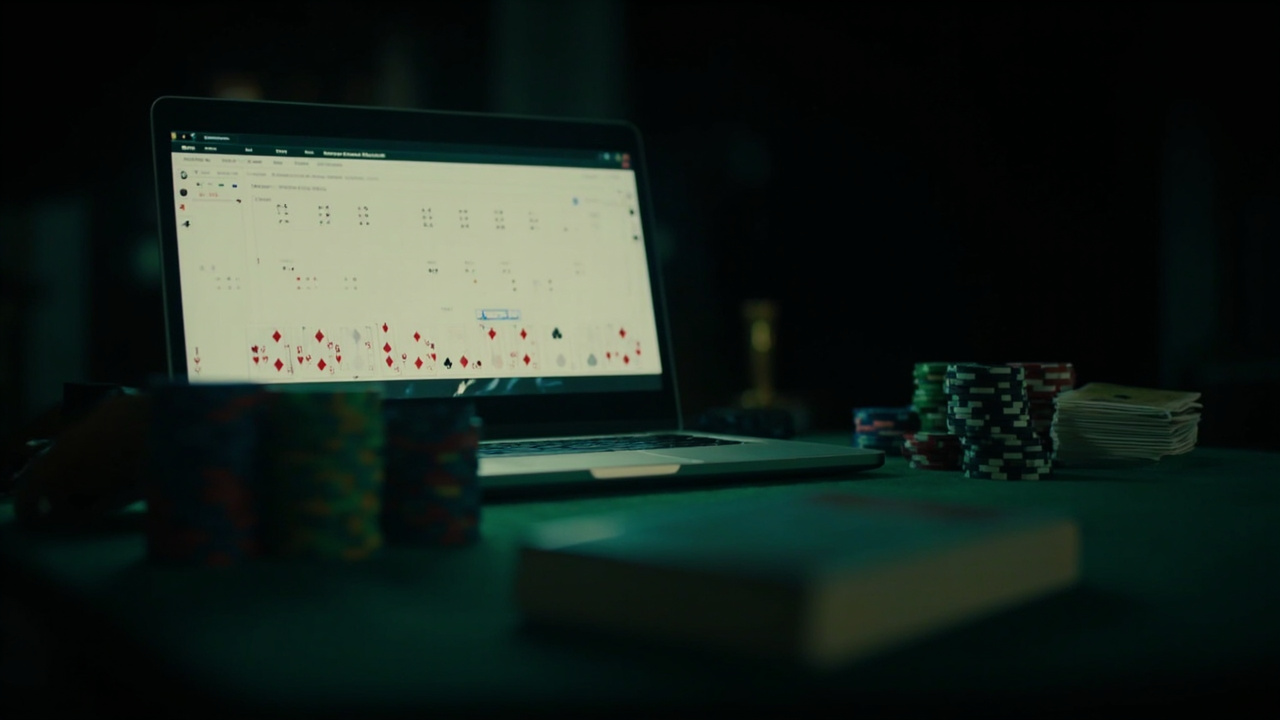
When the cards hit the felt on a live dealer stream, the shuffle is the moment that decides whether the shoe feels fair or fixed. I have negotiated studio deals across Europe and Asia where the shuffle protocol was the first line item on the table, and I can tell you that what you see on screen is only half the story. For Australian adults 18+, understanding how that deck moves matters more than any welcome bonus fattening up your first deposit. If you are weighing up a platform, jackpotjill casino for high roller stakes is one operator worth checking against your own standards for transparency.
Live tables do not run on a single shuffling method, and the difference shows up in how often the shoe turns and how much control the dealer has over the pace. Some streams use continuous shuffling machines that feed cards back immediately, which removes the memory of previous hands and keeps the edge steady. Others deal from a traditional shoe that gets hand-shuffled between breaks, a style I have seen in Macau satellite studios where the croupier’s rhythm is part of the product. When I was structuring a cross-border affiliate agreement in Prague, the operator insisted on visible cut-card placement because their compliance team knew Australian players spot a rushed shuffle faster than most.
The live shuffle you watch on your phone is not just theatre; it is a compliance checkpoint that operators use to prove the game is not being steered. In my experience brokering platform deals, the studios that survive long-term are the ones that let the shuffle be audited in real time, not just after a dispute. That is why I always ask partners whether their shuffler logs are accessible to third-party testers, because a smooth stream means nothing if the backend cannot prove the order was random. Players who care about ongoing value should look for tables that show the shuffle happening on camera every time the shoe resets, not only during the first hour of the broadcast.
| Detail | What to Check |
|---|---|
| Shuffler type | Continuous vs hand-shuffled shoe |
| Cut-card visibility | Shown on stream at reset |
| Audit logs | Available to independent testers |
| Stream delay | Consistent across hands |
The shuffle protocol also shapes how a table behaves over a long session, which is where the real value for repeat players starts to show. A shoe that is shuffled too frequently can feel disjointed, while one that runs too long can make the pace drag, and I have sat through enough studio tests to know the sweet spot is usually a cut-card drop that keeps the hand count predictable. When I was reviewing a live suite for a regional operator, we adjusted the shuffle frequency because the original timing made the game feel rushed on mobile, and that change improved retention more than any bonus tweak. For Australians playing on a commute or between sessions, that rhythm matters as much as the rules on the screen. jackpotjill casino for high roller stakes
Western Sydney punters who play on the train or during a weekend arvo want a table that holds its pace without feeling mechanical, and the shuffle is what keeps that balance. I have seen operators lose players simply because the shoe turned at the wrong moment, breaking the flow right when the hand count was climbing. The best live setups let the dealer manage the shuffle without rushing the cut, which is a detail I always flag when I am comparing studios for a partner. If you are looking at a platform that keeps its shuffle visible and its shoe changes predictable, you are more likely to stick around for the tournaments and loyalty returns that actually matter after the first deposit.
Amelia Gibson, Head of Analytics, Coral Coast Interactive, puts it plainly: “A shuffle that is consistent on camera but inconsistent in the logs is a red flag we would not sign off on.” Dylan Cooper, Affiliate Partnerships Director, Blue Mountains Interactive, adds: “Players do not ask about the shuffler until it breaks the rhythm, so we only push tables where the reset is visible and the timing is stable.” Those are the kinds of checks I bring into every partnership discussion, because a live table is only as good as the shuffle you can actually verify.

The shuffle is not the whole game, but it is the detail that tells you whether a live table is built for steady play or just for the first hour. I have walked away from deals where the studio could not show a clean shuffle reset, and I would rather see that discipline on your end than chase a flashy bonus that disappears once the welcome terms close. If you want a table that keeps its rhythm, its audits, and its pace across a long session, look for the shuffle that is visible, consistent, and backed by a studio that treats it as a compliance point, not a backdrop.