For punters who prefer a tidy, prepaid route into online play, a paysafecard casino deposit offers a different set of priorities than the usual card or wallet setups. I’ve spent more than twenty years designing slot maths and skill-gaming mechanics, and I’ve learned that payment flow matters just as much as hit frequency when it comes to how a session feels. This review keeps the focus squarely on the deposit side, with a nod to how the rest of the cashier behaves once the chips are on the table.
Why a prepaid entry makes sense for some sessions

The core idea here is separation: you load a fixed amount onto a PIN-based voucher, then use that as your paysafecard casino deposit rather than handing a card or account straight to the cashier. That changes the psychology of the session in a way I’ve seen matter in live testing. When the spend is pre-loaded, the budget boundary is visible before you spin, which is handy for anyone who likes a hard stop rather than a soft one. The trade-off is that you’re working with a closed loop – the voucher doesn’t double as a withdrawal path, so the cashier has to route payouts elsewhere. In my modelling work, I treat that as a design choice, not a flaw: it keeps the entry simple and the exit explicit, which is fair if the operator’s payout options are laid out clearly. If you’re comparing this to other deposit routes, the difference isn’t about which one is universally better; it’s about whether a fixed-entry, prepaid mindset suits the way you play. For a quick regional reference point, a player logging on from regional Queensland during an arvo session might value that upfront limit more than a long session stretched across a week.
How the deposit actually flows and what changes on withdrawals
The cashier step from PIN to balance
From a product standpoint, the flow is straightforward once you know where the fields sit. You pick your currency, choose the prepaid option in the cashier, enter the PIN and the amount, and the platform credits the account in the selected currency. I’ve built and audited similar top-up flows, and the ones that work well keep the confirmation screen honest about what’s been loaded and what isn’t – no vague “pending” language when the credit should land immediately. The practical detail that matters here is currency matching: a paysafecard casino deposit only makes sense if the voucher currency lines up with the account currency, otherwise you’re inviting conversion friction at the exact moment you want clarity. On the mobile side, the same PIN entry should feel compact rather than cramped, because a lot of sessions start on a phone between tasks. If the cashier buries the prepaid option under a pile of alternatives, the experience stops feeling like a clean prepaid entry and starts feeling like a hunt.
What happens when you want money back out
Because the voucher is one-way, the withdrawal side has to be handled on its own terms. A sensible setup routes payouts to the method you’ve verified for that purpose, with the usual identity checks in place before the first payout. I’ve seen operators treat verification as an afterthought and then wonder why cashier questions pile up later; the better approach is to make the payout path clear from the start, so you know where money would go before you ever deposit. That means checking the cashier for the supported withdrawal methods, the expected processing window, and any per-transaction or daily limits that apply once you’ve passed verification. None of this is exotic – it’s just the difference between a tidy prepaid entry and a messy exit. If the platform is busy as a weekend arvo and support is stretched, you want the payout rules written down plainly rather than explained piecemeal over a chat window.
Matching the deposit style to how you actually play
This is where the review focus meets real player needs. A prepaid entry suits a session mindset: you decide the amount, you play within it, and the voucher is spent or saved rather than left as an open line on a card. If your sessions are irregular and you like a clean boundary, that structure can be more useful than a method that keeps a balance sitting ready. If you prefer flexibility – topping up mid-session, or wanting one method to handle both entry and exit – then a prepaid-only entry may feel restrictive rather than helpful. I’ve judged similar choices in game design by asking what the player is actually trying to control: the session length, the total outlay, or the convenience of a single method. The honest answer depends on the player, not on the product. What I can say is that a paysafecard casino deposit works best when the rest of the cashier is just as clear about limits, currencies and payouts, because the prepaid entry only solves the front half of the problem. https://themelbournebirder.com
If you’re new to this, here’s a simple way to think about it. Decide the amount you’re comfortable loading before you start. Pick a voucher in the same currency as your account, so you don’t get hit with conversion guesswork at the cashier. Enter the PIN once, confirm the credited balance on screen, and then play to that figure rather than topping up on impulse. Before you deposit, glance at the withdrawal section so you know where payouts would go and what limits apply after verification. Treat the voucher as a session boundary, not a long-term balance, and you’ll get the most out of the prepaid setup.
On the verdict side, this is a focused, prepaid entry for players who want a fixed amount in and a clear route out, not a catch-all payment method. It suits a session-first mindset and a cashier that explains its payout path plainly.

Glossary
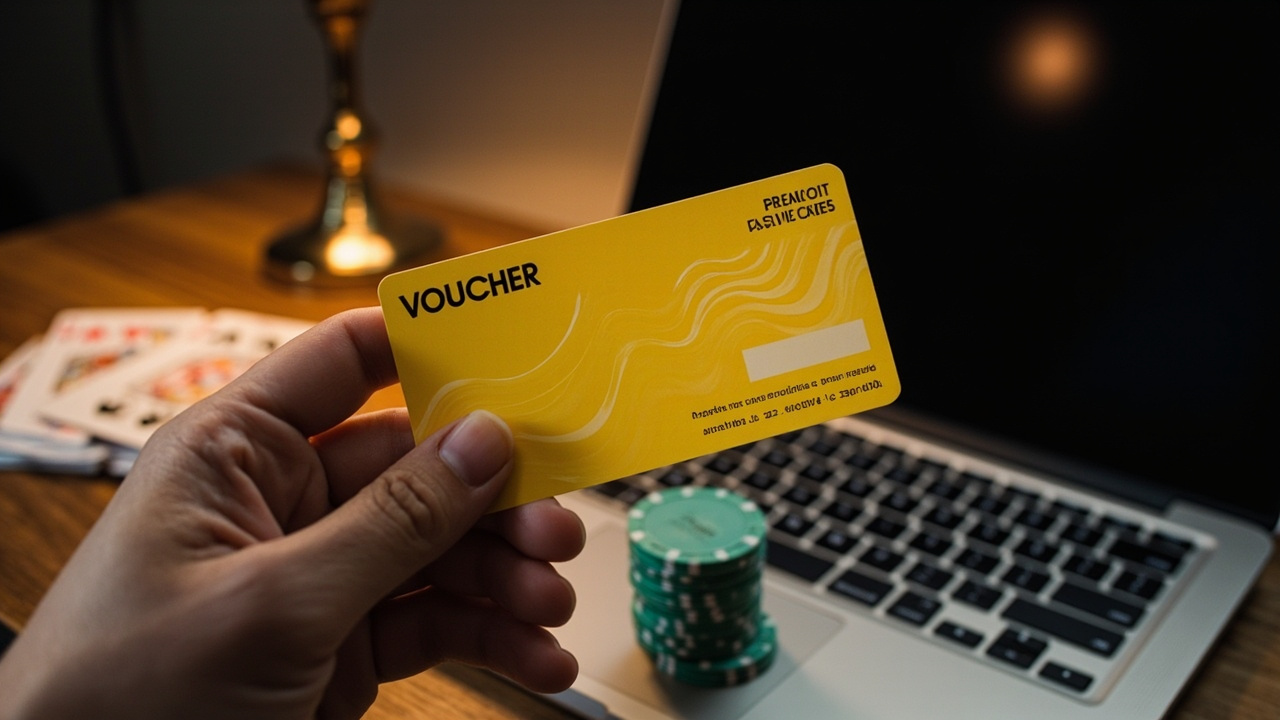
- PIN: the code printed on a prepaid voucher, entered at the cashier to credit the account.
- Cashier: the section of the platform that handles deposits and withdrawals.
- Verification: the identity checks an operator requires before processing payouts.
- Session boundary: a self-set limit on what you load and play within one sitting.